Fellowship
Learn and Grow
Find a Meaningful Fellowship at EORTC
Established in 1991 to promote European cancer clinical research, the EORTC Fellowship Programme encourages physicians, statisticians, scientists, and other experts from all over the world to work for up to three years at the EORTC headquarters in Brussels. It offers opportunities to learn the principles of cancer clinical research by being attached to a specific EORTC group, a medical or a methodological research programme. It is a unique way to absorb all aspects of creating, activating, and bringing cancer clinical research projects to maturity as a member of one of our Diseases Oriented Group teams.
Why apply?
- Training in clinical research methodology
- Opportunity to work on publications
- Possibility to learn from international oncology specialists
- Use rich EORTC databases
- Become an expert in your field
- Build and expand your network
For more information about the Fellowship Programme, contact us.
Open Fellowships
There are no open fellowships at the moment.
Testimonials

The fellowship program was a remarkable opportunity that allowed me to return to an academic setting and grow both as a statistician and a clinical researcher. It deepened my understanding of clinical research methodologies and enhanced my knowledge of trial design. The fellowship provided a supportive environment that helped me strengthen my technical skills and contribute meaningfully to cancer research through continuous training, participation in scientific conferences, and hands-on experience with past and ongoing trials. Overall, it was an enriching experience that fostered both personal and professional growth.
Bryan Leurquin
Statistician, Statistics Department

My fellowship was a transformative experience that allowed me to acquire skills far beyond the scope of traditional clinical training. It provided a unique gateway into the world of clinical research, where I developed expertise in protocol writing, critical review of research ideas, and project management—skills that are rarely taught in a purely clinical environment. The projects I was involved in not only deepened my understanding of research methodology but also led to peer-reviewed publications.
Beyond the academic growth, the fellowship significantly expanded my professional network and opened doors within the European radiotherapy community—opportunities that were previously out of reach. It has truly been a pivotal step in my career.
Daniel Portik
Former RTQA EvdS Fellow, Medical Department

The fellowship was a good opportunity to experience aspects of both academia and industry work in a multi-disciplinary environment as an early career professional. I was provided both autonomy and support from more experienced researchers in the work I do, which has helped build not only my competencies but also my confidence as a researcher.
Luigi Lim
Statistician, Quality of Life Department
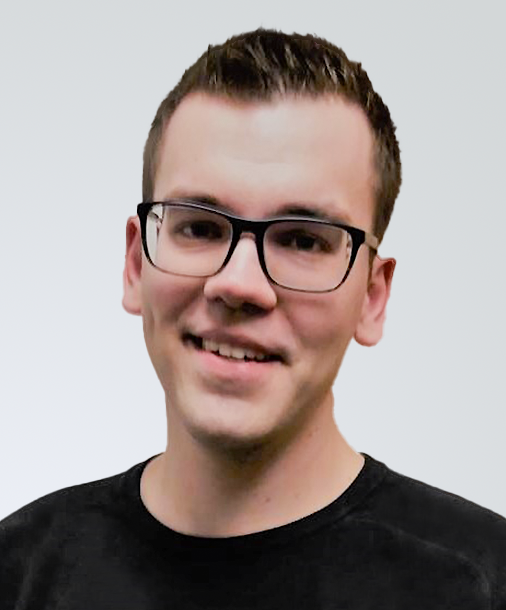
During my fellowship, I met many people from different cultural and educational backgrounds, which enriched my work. Regardless of their specialty, all fellows at the EORTC have a monthly meeting during which one person gives a presentation on a topic within their field of expertise. It contributes to the creation of a multidisciplinary culture characterized by the cross-fertilization of research ideas among young researchers from different countries.
Robbe Saesen Fellow, Health policy and regulatory science
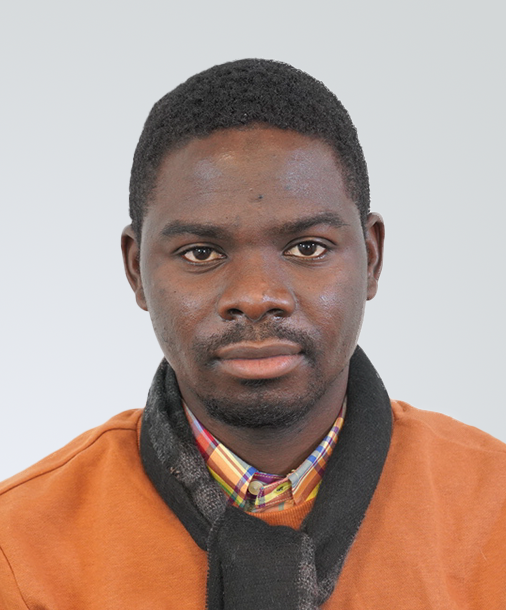
Since joining EORTC as a statistics fellow, I have had the opportunity to contribute to various trials and research projects, as well as collaborate with leading breast cancer oncologists in Europe. In addition, I have been privileged to attend statistics and oncology training, which have expanded my knowledge of various aspects of oncology trials.
Ridwan Oyebayo Olaniran Fellow, Statistics
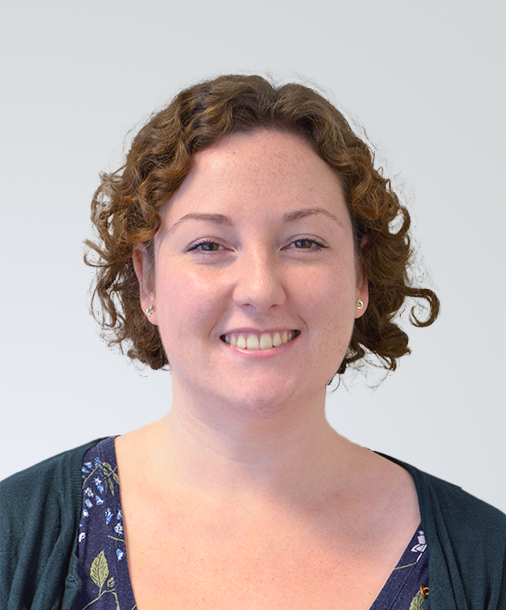
This fellowship has given me the chance to develop research and project management skills that I would not typically have had in a clinical environment, as well as publish my work and travel to present at a variety of conferences. The biggest highlight though, is the mentorship and opportunities to collaborate with incredibly accomplished and enthusiastic people from all over the world.
Sarah Kelly Fellow, Data management (Radiation Oncology)
Current Fellows
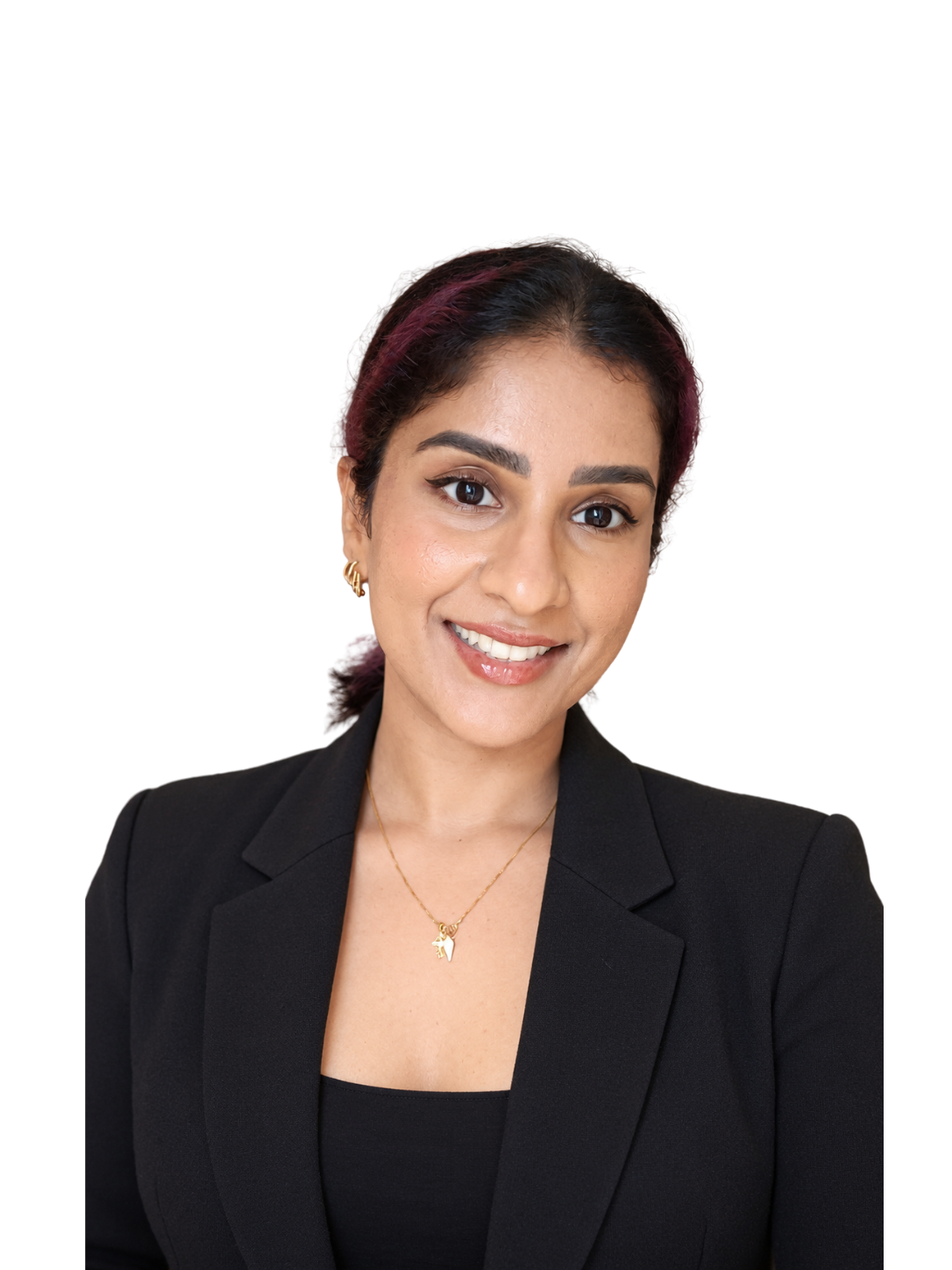
Beulah Koshy
India
Beulah Koshy
Beulah Koshy is an Indian medical oncologist who completed her MBBS degree, postgraduate training in Internal Medicine, and subsequently earned a DM in Medical Oncology from Kidwai Memorial Institute of Oncology, Bengaluru. She joined the EORTC Medical Department in July 2026 as a Fellow.
As part of her fellowship, Beulah is actively involved in the design, conduct, and oversight of international academic oncology clinical trials. She works closely with the EORTC Genitourinary Cancer Group and Breast Cancer Group, contributing to ongoing clinical studies, trial development, and collaborative research initiatives across the EORTC network.
Her research interests include clinical trial methodology, response assessment, RECIST 2.0, patient-reported outcomes, quality of life, and biomarker-driven oncology. She is currently involved in several research projects focused on optimising clinical trial design and evaluating treatment benefit in cancer. A major component of her fellowship is her involvement in the RECIST 2.0 initiative, a large international effort aimed at modernising tumour response assessment and advancing the methodology of oncology clinical trials.
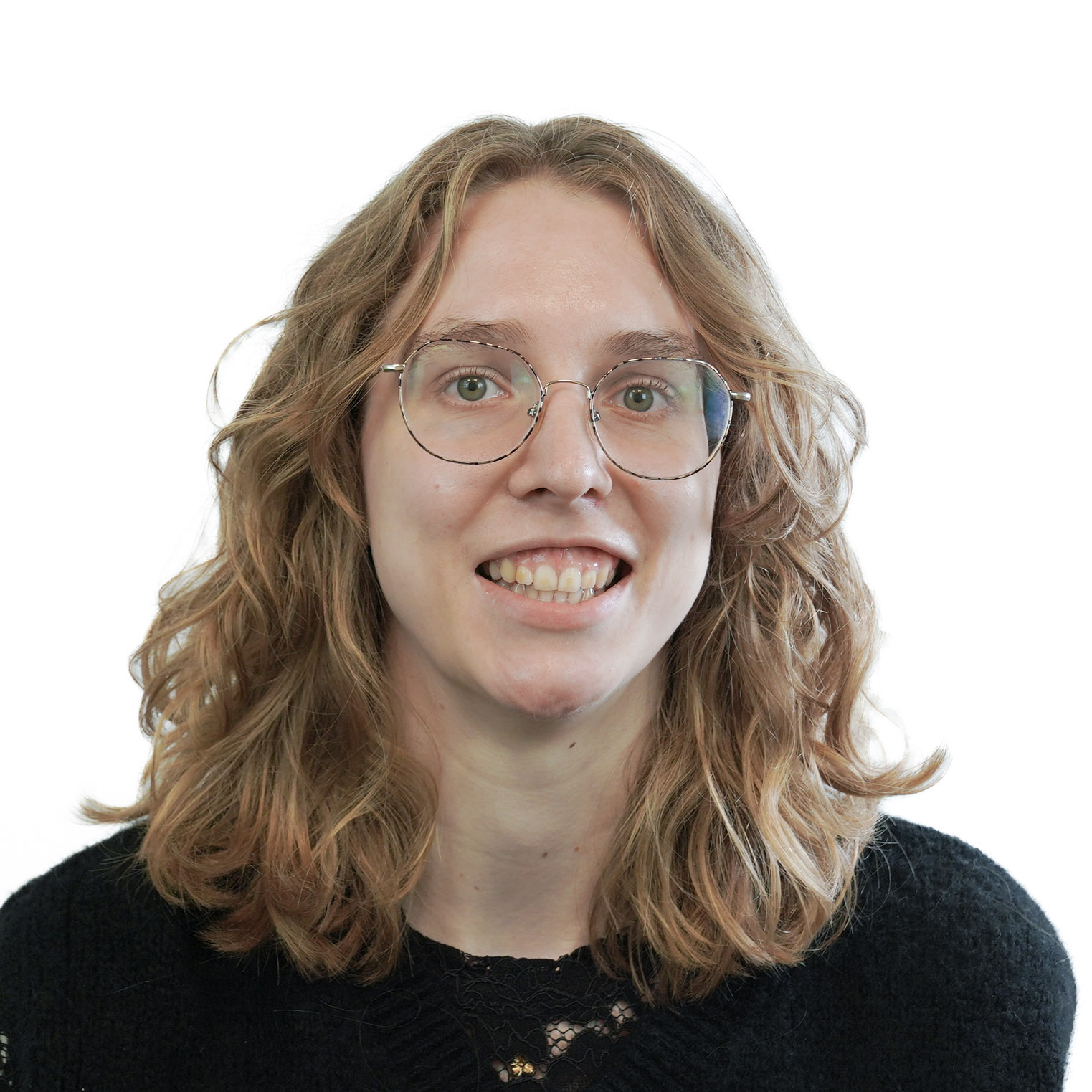
Sarah Brosens
Belgium
Sarah Brosens
Sarah Brosens joined the EORTC as a Statistics Fellow in September 2026. She is Belgian and holds two master’s degrees from KU Leuven: one in Biomedical Sciences, obtained in 2024, and one in Statistics and Data Science, obtained in 2026. She completed a summer internship in the Statistics and Decision Sciences department of Johnson & Johnson in 2025, followed by a master’s thesis project at the same company in 2026. Her internship contributed to the CAMIS project, which compares results across R, SAS, and Python for various statistical analysis methods, while her master’s thesis project focused on integrating concepts of causal inference into compositional analysis of high-dimensional omics data. At the EORTC, she works on multiple projects. Two of these projects are with the Older Adults Council (OAC) and focus on competing mortalities and frailty in older cancer patients. Her third project focuses on a clinical trial of the Brain Tumour Group (BTG) and investigates how radiation dose to selected brain substructures is associated with quality of life and neurocognitive function.

Seren Ucak
Australia
Seren Ucak
Seren Ucak is a clinical researcher with a PhD in physiology from the University of Sydney, Australia. She has a clinical and academic background in physiology, cardiac autonomic function, and patient-centred outcomes. She has led multiple clinical studies, published first-author research on obstructive sleep apnoea phenotypes and autonomic regulation, and contributed to teaching and clinical consultancy in health. She joins the EORTC as a Quality of Life Research Fellow and will work on the project “Developing a strategy to ensure EORTC QLG measures fit changing standards for cancer clinical trials”. Her work will support the development of a framework and evidence base to ensure EORTC quality of life measures remain robust, relevant, and aligned with evolving regulatory expectations.

Charlotte Gregoire
Belgium
Charlotte Gregoire

Andrew Kamya
Uganda
Andrew Kamya
Andrew Kamya is a Ugandan statistician who joined the EORTC Statistics Department as a Biostatistics Fellow in October 2025. He holds two MSc degrees from Hasselt University (Belgium): Statistics with a specialization in Biostatistics, and Statistics with a specialization in Statistical Bioinformatics, as well as a BSc in Mathematics and Chemistry from Makerere University (Uganda). He previously trained at the MRC/UVRI Uganda Virus Research Institute, where he contributed to literature reviews, data curation, and research workshops in medical research. His master’s thesis, conducted in collaboration with the EORTC, developed Bayesian mixed-effects models for longitudinal toxicity using patient-level data from EORTC trials 62091 and 30974. His interests include survival and longitudinal modeling, Bayesian data analysis, and clinical trials. At the EORTC, he works on multiple projects, including an individual participant data meta-analysis on perioperative HER2-targeted therapy in gastric and EGJ cancer, research projects in brain tumors, and the IOPTIMISE program on clinical and biological determinants of immunotherapy efficacy and safety in solid tumors.

Alvina Vadassery
India
Alvina Vadassery
Alvina Vadassery is an Indian medical doctor with specialization in Radiation Oncology which she obtained at Tata Memorial Centre, Mumbai. She also holds a master’s degree in health sciences with major in Clinical Epidemiology from Erasmus Medical Centre, Rotterdam. She joined the EORTC as a medical Fellow with the Medical Department. Additionally, she is pursuing PhD at University of Groningen, The Netherlands. She has a diverse professional experience as a clinical and radiation oncologist, clinical researcher, and area medical advisor at pharmaceutical MNC. Her previous research experience includes quality of life study in bladder cancer patients, prediction modelling of cosmetic outcomes in breast cancer and dysphagia assessment in head neck cancer. As part of her fellowship and PhD at the EORTC and university of Groningen, Alvina will utilize her diverse experience and will work on optimization of clinical trials in head neck cancer. Additionally, she would be actively involved in the daily operations of the EORTC Head and Neck Cancer Group (HNCG) and will collaborate across the international trial network of the EORTC.

Raffaella De Pietro
Italy
Raffaella De Pietro
Raffaella De Pietro is an Italian medical doctor with a specialization in Radiation Oncology, which she obtained at Sapienza University of Rome. During her education, Raffaella gained experience in the neuro-oncological field and spent the last year focusing on neuro-oncological clinical trials. She joined EORTC at the beginning of 2025 as a fellow in Radiation Therapy Quality Assurance (RTQA). Her project will focus on evaluating the necessity of RTQA in glioblastoma trials, correlating RTQA with patient outcomes.

Laure Musekera
Belgium
Laure Musekera
Laure Musekera Murerwa joined the EORTC in November 2024. Raised in Belgium, she holds a master’s degree in statistics from UC Louvain in Louvain-la-Neuve. Before joining the EORTC, she held a position at the Belgian Ministry of Finance, where she was responsible for analysing data from large entreprises. She also collaborated with other European tax authorities to develop guidelines for the application of AI in fiscal matters. During her tenure in the public sector, Laure obtained a certification in biostatistics. At the EORTC, she will contribute to research projects on various topics, including gastric cancer treatments and the resectability of stage III non-small-cell lung cancer.

Fábio Borges
Portugal
Fábio Borges
Fábio Cardoso Borges joined the EORTC in January 2024 as a Research Fellow at the Executive Office. He is Portuguese and holds a master’s degree in Pharmaceutical Sciences from the Faculty of Pharmacy of the University of Lisbon (FFULisboa). He has previously worked as a researcher in (pharmaco)epidemiology and outcomes research at the Portuguese Cancer Registry (RON at IPO Lisboa) and as a Project Manager at the EORTC. Concurrently, he has been working as a health technology assessment (HTA) assessor for the Portuguese HTA agency (INFARMED I.P.). Considering his particular interest on the methodological aspects of clinical studies and in regulatory and HTA decision-making, Fábio will focus on optimising the clinical research landscape for anticancer treatments during his fellowship at the EORTC. His project aims to identify evidence gaps, assess the value of pragmatic clinical trials in bridging the efficacy-effectiveness gap, and propose how the established clinical research paradigm can be adapted to incorporate pragmatic clinical trials as a tool to bridge the evidence gaps experienced in oncology by decision-makers.


