Pioneering with a scientific approach
In a rapidly changing scientific and healthcare environment, EORTC builds its scientific strategy based on its strengths as a multidisciplinary, international clinical cancer research infrastructure. Cross-cutting many tumour types and patient populations, EORTC always attempts to leave no one behind whether old or young, whether having frequent or rare tumours. As well, EORTC attempts to conduct trials in all countries where its active members are. EORTC has developed an overarching scientific strategy which is comprehensive of oncology challenges common across tumour types, as well as taking into account the evolution of methodological challenges embracing the new era of data sciences and its emerging possibilities.
EORTC activities are supported by the following features: the integration of pharmacology, molecular biology, tumour immunology and imaging, as well as transversal problem-solving beyond organ-based medicine. EORTC embraces the value of patient involvement Importantly. EORTC has global leadership in quality of life research and development of Patient Reported Outcome Measurement instruments, which are widely used in cancer clinical trials.
Overview of EORTC Scientific strategy: Interview of the Chair and Vice-Chair of the SCC.
Scientific Chairs Council (SCC)
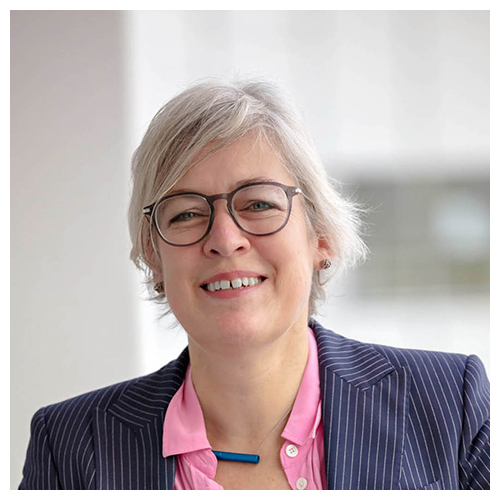
Chair: Anne-Marie C. Dingemans
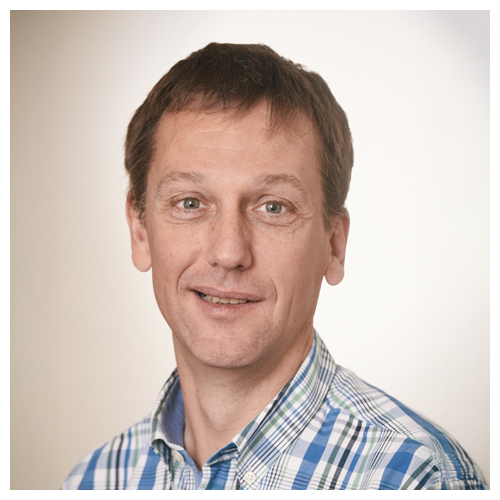
Vice-Chair: Jean-Pascal Machiels
EORTC establishes its scientific strategy through the Scientific Chairs Council (SCC) formed by the leadership of its Groups. Dedicated councils support the EORTC scientific strategy for radiation oncology – the Radiation Oncology Scientific Council (ROSC), and for addressing research in Older Adults – the Older Adults Council (OAC). The SCC is therefore a unique place to meet for all disciplines across tumour types for EORTC groups to address together major shared unsolved questions. EORTC’s scientific strategy is updated as science evolves and on a three to five years structural basis.
EORTC Scientific Strategy Pillars
The EORTC overarching scientific strategy builds on the following pillars:
- Clinical & scientific priorities: EORTC focuses on clinical situations where it can make a difference due to its assets. These include large practice-changing phase III trials, multidisciplinary loco-regional treatments, rare cancers, quality of life and patient-reported outcome research, specific patient populations as well as translationalresearch approaches.
- Technology oriented priorities: Specific translational research, imaging and radiation oncology platforms are in operation, constantly adapting to the evolution of science.
- Data science priorities: EORTC data management systems and approaches are evolving to serve new forms of clinical research such as cohort based clinical trials/ trials within cohorts (TwiCs), complex trials and pragmatic trials. Exploring new data collection opportunities based on Artificial Intelligence and decentralised clinical trials are points of development to serve the scientific output of EORTC
- Methodological priorities: practice- changing clinical research under which ever form of clinical trials is central to the scientific agenda of EORTC. Methodological robustness ensuring external validity are pillars of EORTC research agenda. EORTC is pioneering new form of trials such as but not limited to international TwiCs, or large international pragmatic trials to address treatment optimisation and inform care settings.
Task forces
The scientific chairs council aims to prioritise strong and cross-cutting research topics to stimulate research between the different groups and councils. In that respect, specific Task Forces (TF) have been set up, offering an optimal place for all expertise to come together, stimulating scientific thinking and optimising efficiency. Task Forces address three clinical situations (Minimal Residual Disease; Older Adults, Rare cancers) and two classes of agents (Antibody Drug Conjugates; Radio-ligands).
EORTC’s strategy is supported by new approaches to partnerships, not limited to the pharmaceutical sector for access to new agents, but also across stakeholders such as oncology societies, patients and caregivers, cancer charities, regulators, health technology bodies health insurance and payers, supported by active policy activities where needed. EORTC attempts to fill gaps between stakeholders, one of the priorities being informing healthcare. The ultimate objective is to position EORTC as a key player for partnerships with the involved stakeholders.