
New phase III EORTC transatlantic intergroup trial opens for patients with resected head of pancreas adenocarcinoma
14 May 2013
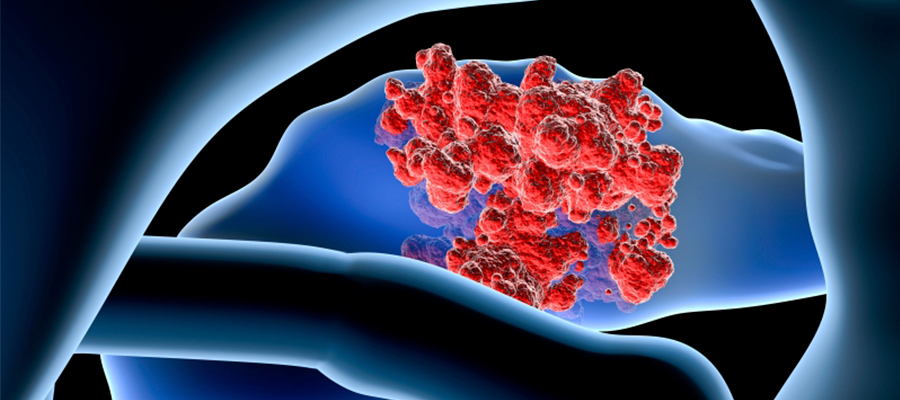
Surgical resection is considered a potentially curative treatment for pancreatic adenocarcinoma, however, the five year survival rate of patients receiving this treatment is less than 20 percent. Adjuvant treatment, therefore, is used to prevent recurrence and improve survival for these patients.
EORTC trial 40084-22084 has two primary objectives: to determine if adding erlotinib to gemcitabine adjuvant chemotherapy will improve survival as compared to gemcitabine alone following resection of head of pancreas adenocarcinoma, then, following adjuvant chemotherapy, determine if concurrent fluoropyrimidine and radiotherapy improves survival for patients who have no evidence of progressive disease.
Gemcitabine is a cytotoxic drug which has improved survival in adjuvant chemotherapy for pancreatic cancer. Erlotinib is a tyrosine kinase inhibitor and a strong, reversible, inhibitor of the epidermal growth factor receptor (EGFR). As a targeted agent blocking EGFR signaling, erlotinib has shown a significant albeit modest effect on survival in patients with metastatic pancreatic cancer and should be evaluated in earlier-stage disease where the magnitude of observed benefit may be increased.
Chemoradiation might improve survival for patients with pancreatic cancer, but there is no definitive evidence to establish the inclusion of chemoradiation in their treatment plan. It is thought that adjuvant chemoradiation, i.e. radiation plus concurrent fluoropyrimidine, will increase survival for patients with resected head of pancreas adenocarcinoma who remain disease free after adjuvant chemotherapy with gemcitabine or gemcitabine and erlotinib.
Dr. Jean-Luc Van Laethem of the Hôpitaux Universitaires Bordet-Erasme – Hopital Universitaire Erasme, Brussels and coordinator of this study says, “this protocol is a very good opportunity to definitively answer the question of adding radiation therapy in the adjuvant setting of pancreatic cancer, and to build an ambitious translational research program based on large scale tissue biobanking.”
EORTC trial 40084 – 22084 plans to accrue 950 patients overall and 300 patients at 23 EORTC sites located in seven countries: Belgium, France, the United Kingdom, Germany, Italy, Spain, and Switzerland. Pancreatic adenocarcinoma is a relatively rare disease, and such a study is only possible in an academic intergroup setting.
The trial is sponsored by the sponsored by the NCI in the US and by the EORTC in Europe, led by the Radiation Therapy Oncology Group in collaboration with the EORTC Gastrointestinal Tract Cancer Group, the EORTC Radiation Oncology Group, and the Southwest Oncology Group, and is an academic investigator driven clinical trial without financial support from the industry. Erlotinib is supplied by Roche.
For more information concerning EORTC trial 40084 – 22084 please contact: www.eortc.org/contact
John Bean, PhD
EORTC, Medical Science Writer
Related News
Pink October 2026: Advancing breast cancer research, together
7 Oct 2026
EORTC presents new results in neuro-oncology at EANO
28 Sep 2026
In Memoriam: Neil Aaronson, founding member of the EORTC Quality of Life Group
7 Sep 2026
New EORTC perspective calls for patient preferences to become a standard part of cancer trials for older adults
4 Sep 2026
New EORTC questionnaire sets a global standard for measuring quality of life in cancer survivors
25 Aug 2026
EORTC calls for a balanced and feasible European Health Data Space (EHDS)
8 Jul 2026
Professor Benjamin Besse becomes President of EORTC
26 Jun 2026
CCTG, EORTC and UK3CR welcome G7 commitment to accelerate global progress against cancer
24 Jun 2026
EORTC welcomes EU Biotech Act and calls for refinements to enable patient-centred trials
24 Jun 2026
New study confirms a key quality of life tool can be used with adolescents with cancer
9 Jun 2026