
EORTC celebrates Rare Disease Day: Addressing unmet needs in rare cancers
27 Feb 2026
Rare cancers represent a major public health challenge. While each rare cancer affects fewer than six people per 100,000 annually, together they account for approximately one in five cancer diagnoses. In Europe, rare cancers represent 22% of all adult cancer cases diagnosed each year, a greater proportion than any single common cancer type. Despite this, survival rates remain lower, and collectively rare cancers account for one in three cancer deaths*.
On 28 February 2026, EORTC joins organisations worldwide in supporting Rare Disease Day, advocating for equitable healthcare, diagnosis, and treatment access for people with rare diseases. Addressing the unmet needs of rare and ultra-rare cancer patients, who often face barriers to innovative treatments, remains a top priority for EORTC in 2026 and beyond.
Advancing research and care in rare cancers
EORTC drives progress in rare cancer research through its Rare Cancers Task Force, innovative platforms like SPECTA, and a range of ongoing clinical initiatives. Together, these efforts advance understanding, expand treatment options, and generate evidence that improves patient care; highlighted here through key projects, milestones, and future directions.
- EORTC Rare Cancers Task Force
- Spotlight on SPECTA
- Ongoing initiatives in rare and ultra-rare cancers
- Celebrating key milestones in rare cancer research and treatment
- Looking ahead
*Elmadani, M., Klara, S., Mustafa, M., Kiptulon, E. K., & Orsolya, M. (2025). Global Burden of Rare Cancers: Insights from GLOBOCAN 2022 Estimates. Cancers, 17(10), 1721. https://doi.org/10.3390/cancers17101721
Spotlight on SPECTA
EORTC launched and operates the SPECTA platform, a pan-European network of clinical and molecular screening programmes that collects and analyses biological samples and clinical data from cancer patients across Europe. It identifies genetic alterations, including those in rare cancers that may represent therapeutic targets, and facilitates enrolment into clinical trials matched to patients’ molecular profiles.

Through the following research projects, SPECTA further advances research in underserved rare cancer populations:
- ARCAGEN – EORTC Research Project 1843: Developed collaboratively by EORTC and EURACAN, the project evaluated the prevalence of genomic alterations, tumour mutational burden (TMB), microsatellite instability (MSI), and their clinical actionability in patients with advanced rare cancers. The study demonstrated that molecular profiling is feasible in rare cancers, with a low failure rate and an average turnaround time of 14 days, opening new therapeutic possibilities for patients. The results have been published in ESMO Open, Annals of Oncology and nature partner journals (npj) Precision Oncology.
- AYA – EORTC Research Project 1759: A downstream initiative of SPECTA, this project focused on adolescents and young adults (AYA) with central nervous system (CNS) and sarcoma tumours. In collaboration with DKFZ (Heidelberg), comprehensive molecular analyses (WES, RNA sequencing, methylation assays) were performed. Molecular reports and pathology reviews were shared with clinicians and discussed within molecular tumour boards. This study demonstrated that comprehensive molecular profiling in adolescents and young adults with rare, aggressive cancers can correct initial diagnoses and uncover actionable or hereditary genetic changes that may guide more personalised treatment options. The final results were published in 2025.
ARCAGEN is a SPECTA platform downstream project. The SPECTA Platform is supported by Alliance Healthcare. Alliance Healthcare will become Cencora. ARCAGEN is a collaboration between EORTC and EURACAN and is funded by F. Hoffman-La Roche.
The AYA project was supported by The Boots Group.
Celebrating key milestones in rare cancer research and treatment
Alongside these ongoing efforts, EORTC continues to build on a legacy of significant achievements in rare cancer research. Some notable achievements include:
- The EORTC 26053 22054 CATNON trial released its final results in the last quarter of 2025 at the 20th European Association of Neuro-Oncology (EANO) meeting. The study demonstrated that adding 12 chemotherapy cycles to radiotherapy improves overall survival in patients with a specific rare brain tumour, anaplastic glioma.
- The EORTC 90101 CREATE trial, which evaluated the long-term efficacy of crizotinib in patients with an advanced, inoperable inflammatory myofibroblastic tumour (IMT). The updated results confirmed previous findings that crizotinib is effective, with durable responses, in patients with locally advanced or metastatic anaplastic lymphoma kinase (ALK)-positive IMT.
- The EORTC 26981/22981 trial transformed glioblastoma treatment by showing that adding temozolomide to radiotherapy after surgery significantly improves survival, as confirmed in the final results. The study also identified methylguanine-DNA methyltransferase (MGMT) promoter methylation as the first predictive biomarker in brain cancer, paving the way for personalised treatment and establishing a new global standard of care.
- Gastrointestinal stromal tumours (GIST) research, where EORTC trials demonstrated the continued benefit of imatinib in metastatic patients, with some individuals surviving up to 10 years after treatment initiation.
- Sarcoma research, where large-scale EORTC trials significantly influenced treatment approaches, including the understanding of adjuvant chemotherapy and optimisation of systemic therapies.
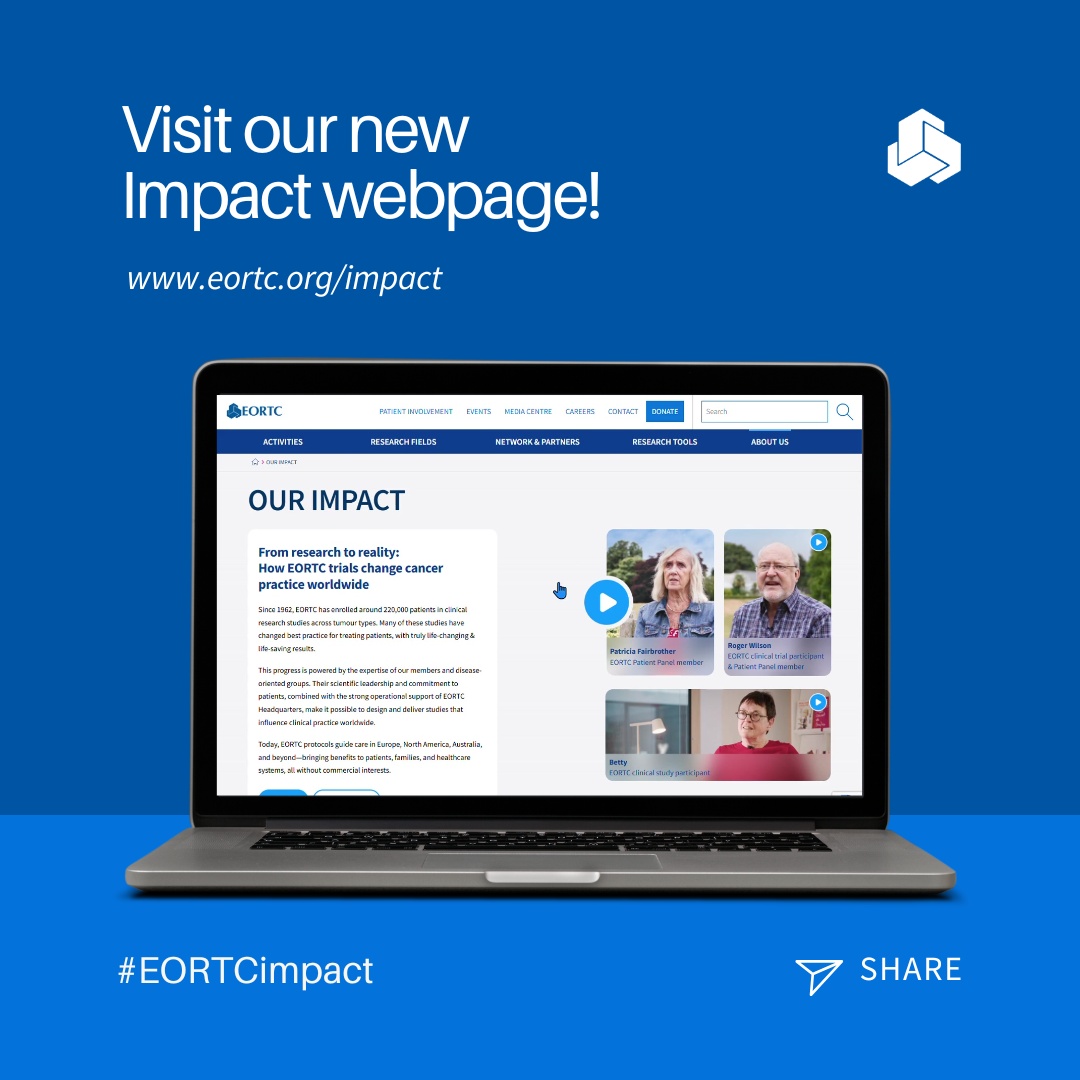
To explore more of EORTC’s achievements and impact across different tumour types, visit our Impact webpage, which highlights our practice-changing research and clinical advancements in rare and common cancers.
Looking ahead
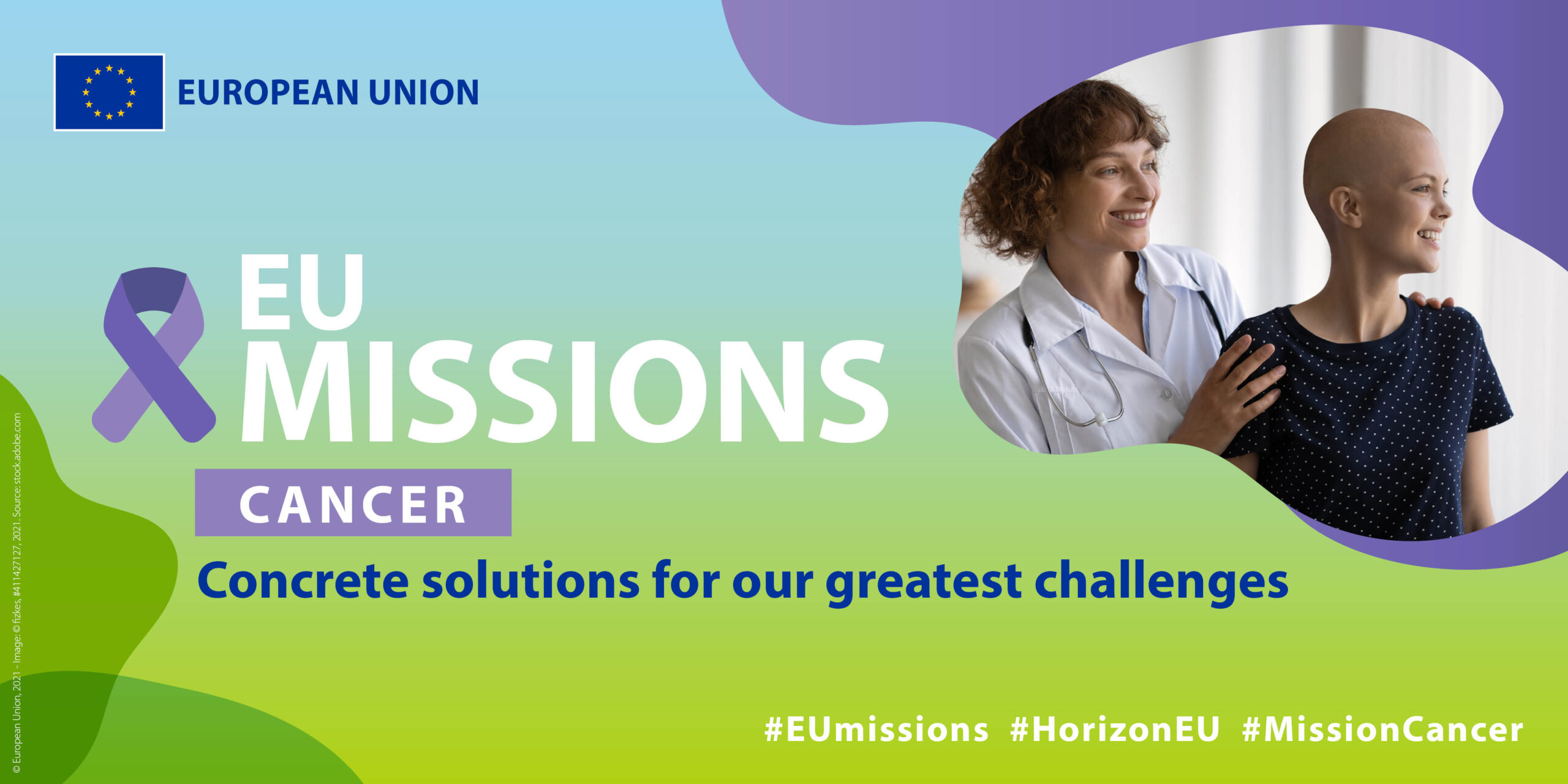
On 11 March 2026 in Lugano, the EU Cancer Mission, together with EORTC and leading European organisations, will launch the first Cancer Mission Forum for Rare Cancers.
This multi-stakeholder platform will address unmet needs in rare cancer research and care, and foster innovation and collaboration to deliver tangible solutions for patients and caregivers. The Forum aligns closely with EORTC’s long-term resolution to tackling rare and ultra-rare cancers.
Rare cancers require collective commitment, scientific excellence, and sustained collaboration. On Rare Disease Day 2026, EORTC highlights its ongoing commitment to ensuring that no cancer patient is left behind.
Related News
Pink October 2026: Advancing breast cancer research, together
7 Oct 2026
EORTC presents new results in neuro-oncology at EANO
28 Sep 2026
In Memoriam: Neil Aaronson, founding member of the EORTC Quality of Life Group
7 Sep 2026
New EORTC perspective calls for patient preferences to become a standard part of cancer trials for older adults
4 Sep 2026
New EORTC questionnaire sets a global standard for measuring quality of life in cancer survivors
25 Aug 2026
EORTC calls for a balanced and feasible European Health Data Space (EHDS)
8 Jul 2026
Professor Benjamin Besse becomes President of EORTC
26 Jun 2026
CCTG, EORTC and UK3CR welcome G7 commitment to accelerate global progress against cancer
24 Jun 2026
EORTC welcomes EU Biotech Act and calls for refinements to enable patient-centred trials
24 Jun 2026
New study confirms a key quality of life tool can be used with adolescents with cancer
9 Jun 2026